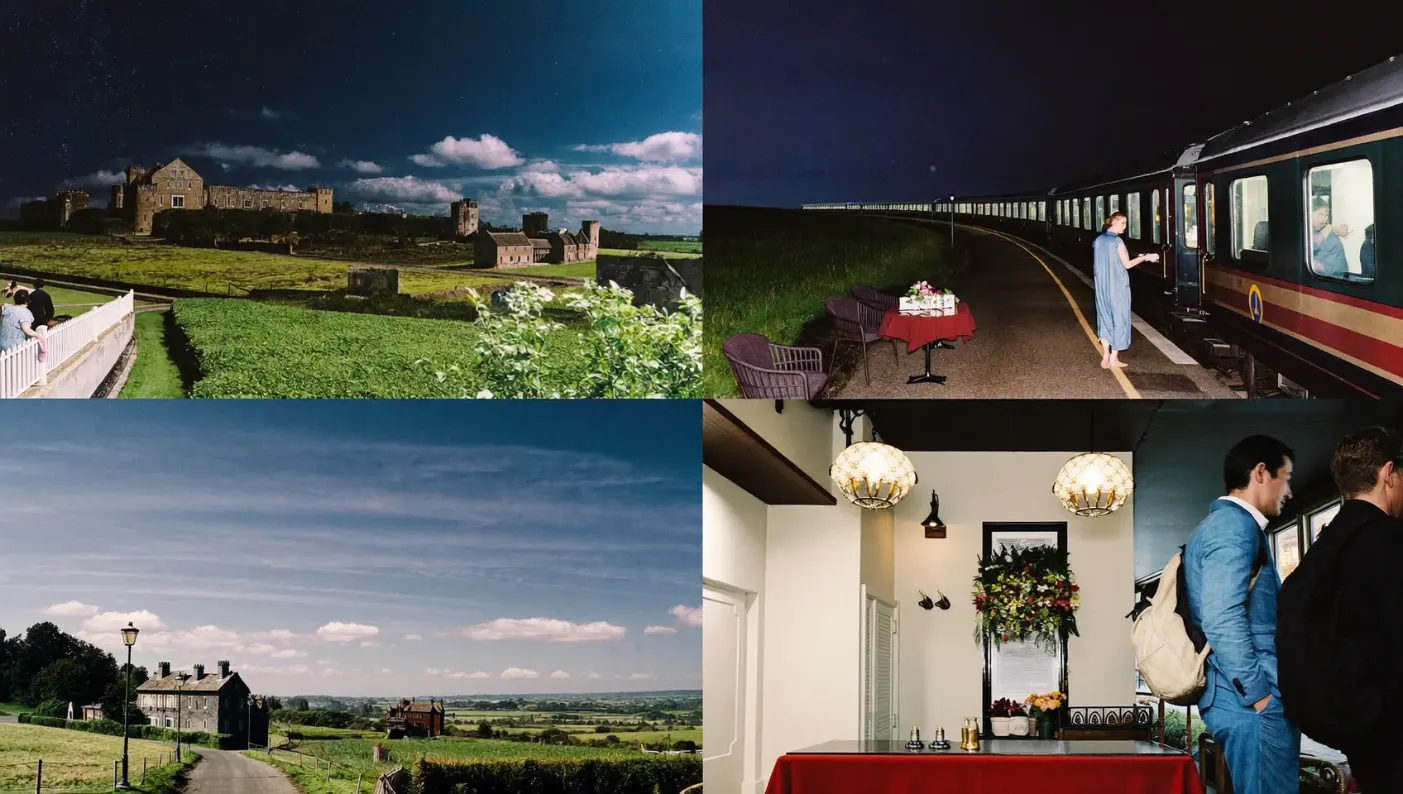
Best Time to Visit the UK
Season by season: daylight, crowds, weather and what each month suits.
Read the guideBefore You Go
For travellers planning a UK trip: practical advice, local insights and essential information for a smoother, smarter journey through the United Kingdom.
Read the full guide
Please note. Entry rules, fares and opening hours change. We point to official sources throughout; confirm anything time-sensitive there before you travel. This guide is general information, not legal or financial advice.
Documents, timing and a rough budget. A quiet evening with a laptop a week before departure saves hours at the border.
Rules depend on your nationality, so there is no single answer for every visitor. Check your passport is valid for your whole stay and undamaged. Then use the official GOV.UK visa checker: it tells you whether you need a visa, an Electronic Travel Authorisation (ETA) or neither.
The ETA is a digital permission now required for many visitors who do not need a visa, including many European travellers. Irish citizens do not need one. Apply only through the official GOV.UK service or the official UK ETA app — third-party sites may charge extra.
Arrange travel insurance that covers medical care, cancellations and lost belongings. NHS care is not automatically free for visitors. Bring prescriptions in original packaging and check any rules on medicines with official sources.
Save confirmations offline and keep a copy of your passport photo page separate from the original.
Gardens in bloom, longer days and comfortable city walking. Showers are common.
Very long daylight, festivals and the busiest routes. Book early.
Colourful countryside, quieter historic towns and a full cultural calendar.
Christmas markets, museums and cosy pubs; short daylight, especially in the north.
Weather varies by region: the west is often wetter, Scotland's Highlands cooler, and conditions can shift within a single day.
Card in hand, adapter in the bag, data on the phone. The first hour is easier when these three are ready.
The currency is the British Pound (GBP). Contactless cards and phone payments are accepted almost everywhere, including buses and most shops. Carry a little cash for small rural businesses, markets or a rare card machine fault.
Budget varies hugely by city and season. Accommodation is usually the largest cost, followed by transport. Many major national museums are free to enter; donations are welcome.
Compare your home roaming plan with a UK SIM or an eSIM. Public Wi-Fi is common in cafés, stations and museums — avoid banking on open networks. Download offline maps: signal can be patchy in mountains, national parks and remote coasts.
| Plug | Type G, three rectangular pins; bring an adapter |
|---|---|
| Voltage | 230V; check devices list a 100–240V range, or use a converter |
| Time | GMT in winter, BST (GMT+1) from late March to late October |
| Emergency | 999 or 112 for police, ambulance, fire, coastguard |
| Non-emergency | 101 police; 111 for urgent but non-emergency medical advice |
| Units | Road distances and speeds in miles; food mostly metric |
Trains between cities, contactless in town, a car for remote countryside. Mind the gap — and the timetable.
| Option | Best for | Keep in mind |
|---|---|---|
| Intercity train | City-to-city trips, London–Edinburgh | Advance and off-peak tickets often cost less; a railcard may help |
| Coach | Tight budgets, flexible time | Slower; book ahead for popular routes |
| London Underground & buses | Getting around London | Pay with Oyster or contactless; tap the same card each time |
| Local buses & trams | Other cities and towns | Many accept contactless; check the operator |
| Rental car | Highlands, Lake District, Cotswolds villages | Driving on the left, narrow lanes, city charges and parking costs |
| Taxi | Late nights, luggage | Use licensed taxis or booked private hire, never unbooked street offers |
Check National Rail Enquiries and TfL before travelling: weekend engineering works and occasional strikes can change timetables. Journey-planner apps show live disruption.
From the Sunday roast to the bill at the pub table — the small customs that make a meal feel easy.
Cities also offer outstanding international food. Restaurants must provide allergen information on request — always ask.
Customs vary between regions and people — treat these as general observations, not rules for everyone.
Check the bill first: many restaurants add an optional service charge. If none is added, leaving around 10–15% for good table service is common. Tipping at the bar is not expected.
The UK is generally a comfortable place to travel, but normal city caution applies. Keep bags closed and phones away from kerbs in crowds, watch for distraction scams at busy sights, plan late journeys home, and use licensed transport. If you lose your passport, report it to the police and contact your embassy or consulate.
Six habits that prevent the most common first-trip problems.
Eight destinations, each with a different itinerary rhythm — from a day trip to a week in the hills.
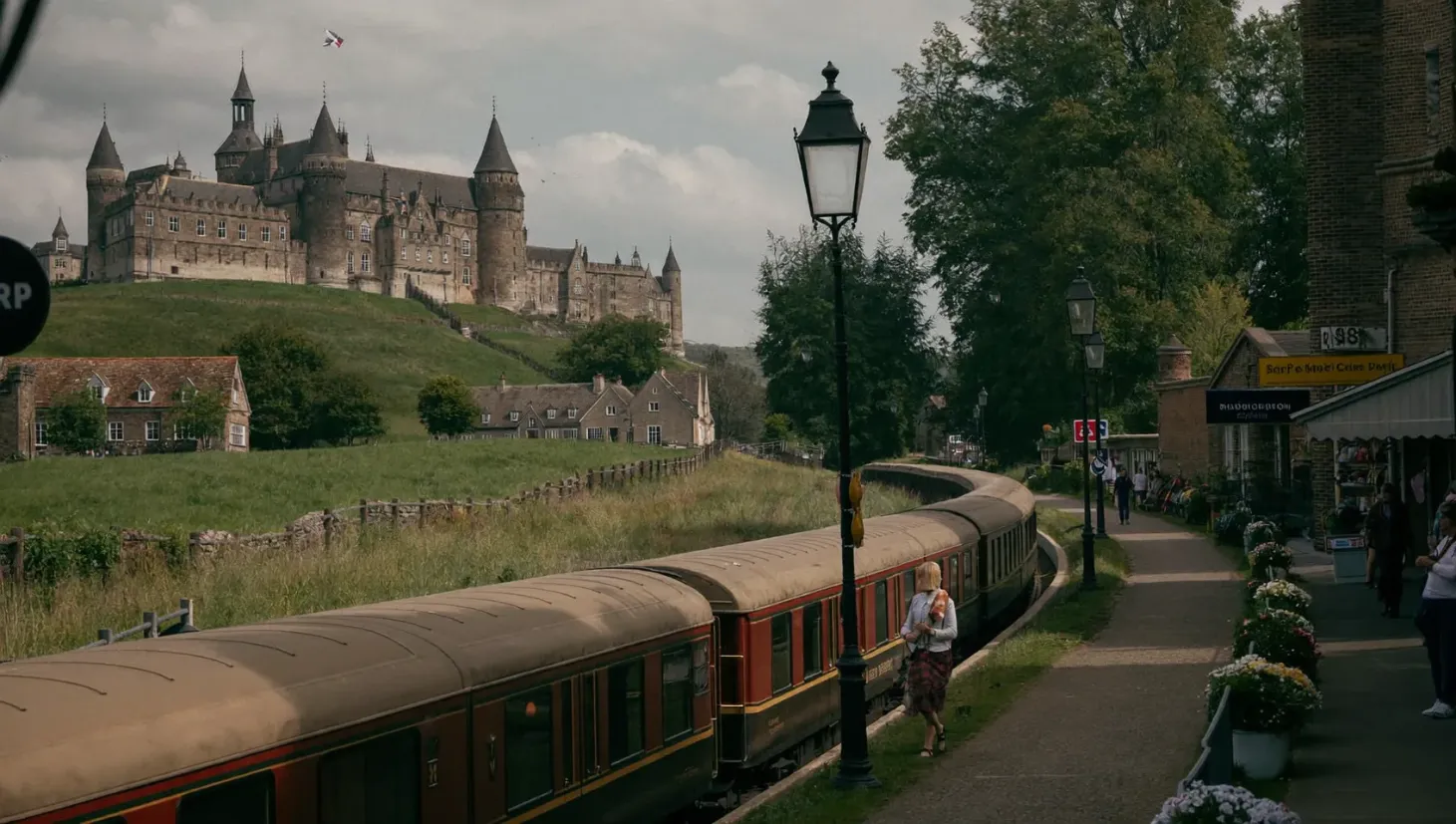
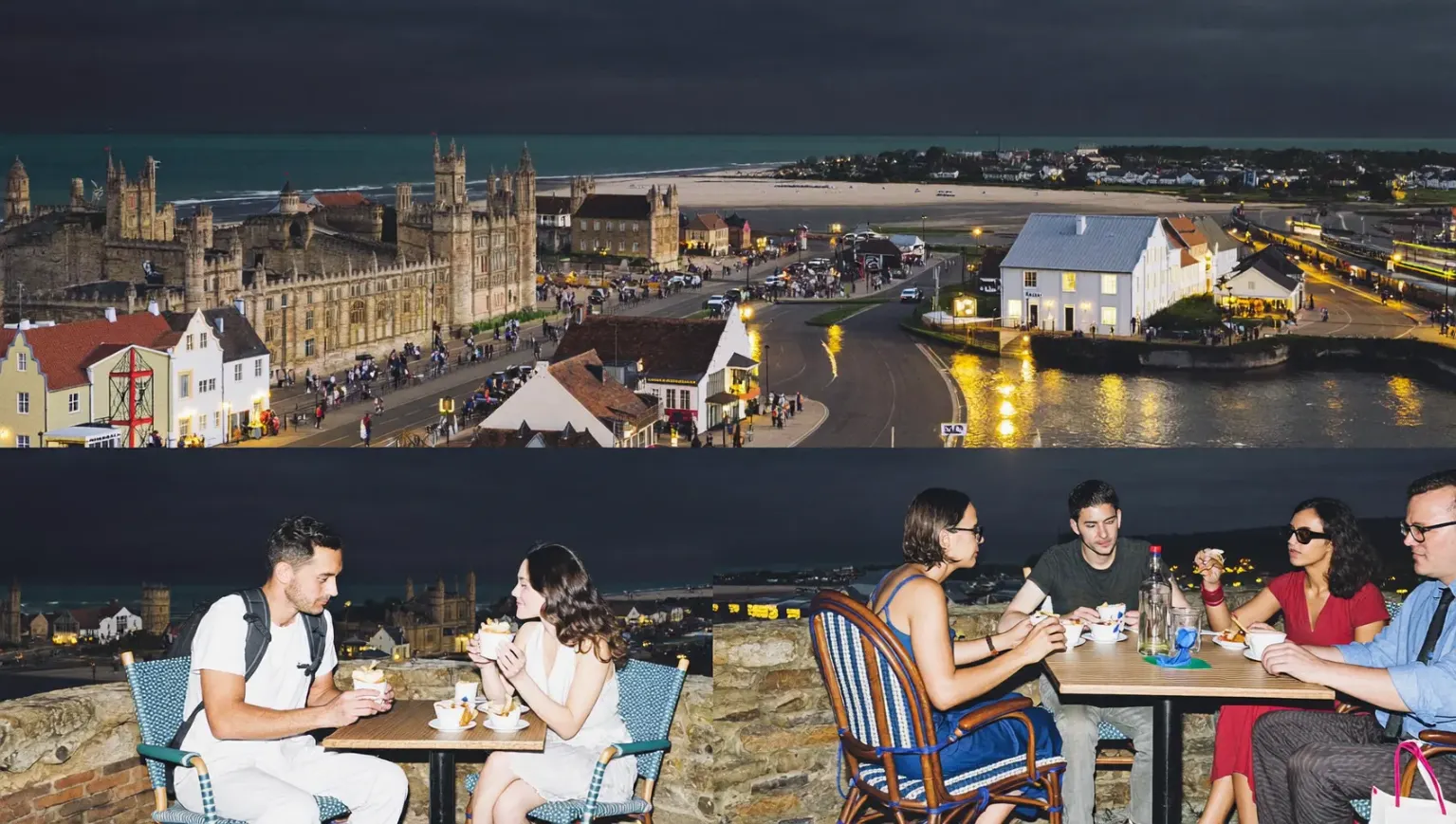
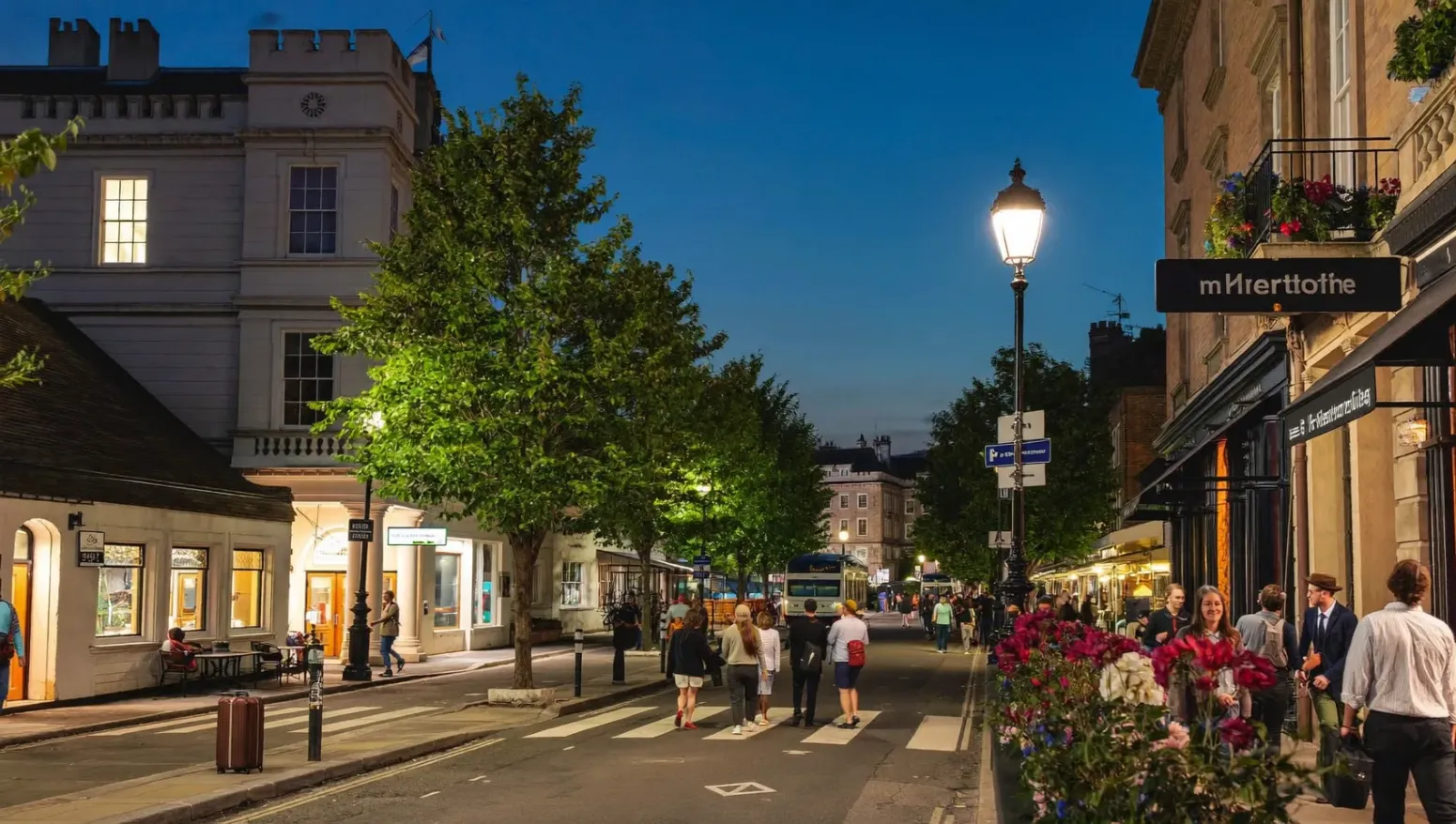
Historic architecture, the castle and Scotland's cultural energy.
Suits: culture lovers, festival-goers, rail travellers from London.
Georgian crescents, Roman heritage and handsome walkable streets.
Suits: couples, architecture fans, an easy day trip.
College buildings, historic libraries and a compact centre.
Suits: literature and history lovers, first-time visitors.
Medieval lanes, city walls and a famous minster.
Suits: families, history buffs, travellers heading north.
Honey-stone villages and gentle countryside.
Suits: slow travellers, walkers; easiest by car or with planned buses.
Lakes, fells and walking routes for every level.
Suits: nature lovers, hikers, anyone needing quiet.
Castles, cultural venues and dramatic Welsh landscapes.
Suits: castle seekers, coast and mountain explorers.
City history, museums and a spectacular coastline.
Suits: road-trippers, history readers, coastal walkers.
Most first-trip stress comes from the same handful of oversights.
Layers, a waterproof jacket, comfortable walking shoes, a compact umbrella, a UK plug adapter and a power bank. In winter add a warm hat and gloves; in summer, sunscreen still matters on cloudy days.
We send new articles and checklist updates when they are published. No spam, and you can unsubscribe at any time.
Prefer to ask directly? Write to [email protected] or call +44 7025133054.
Deeper reads on the questions travellers ask most.
Season by season: daylight, crowds, weather and what each month suits.
Read the guide
Advance, off-peak and railcards explained, plus how to read a departure board.
Read the guide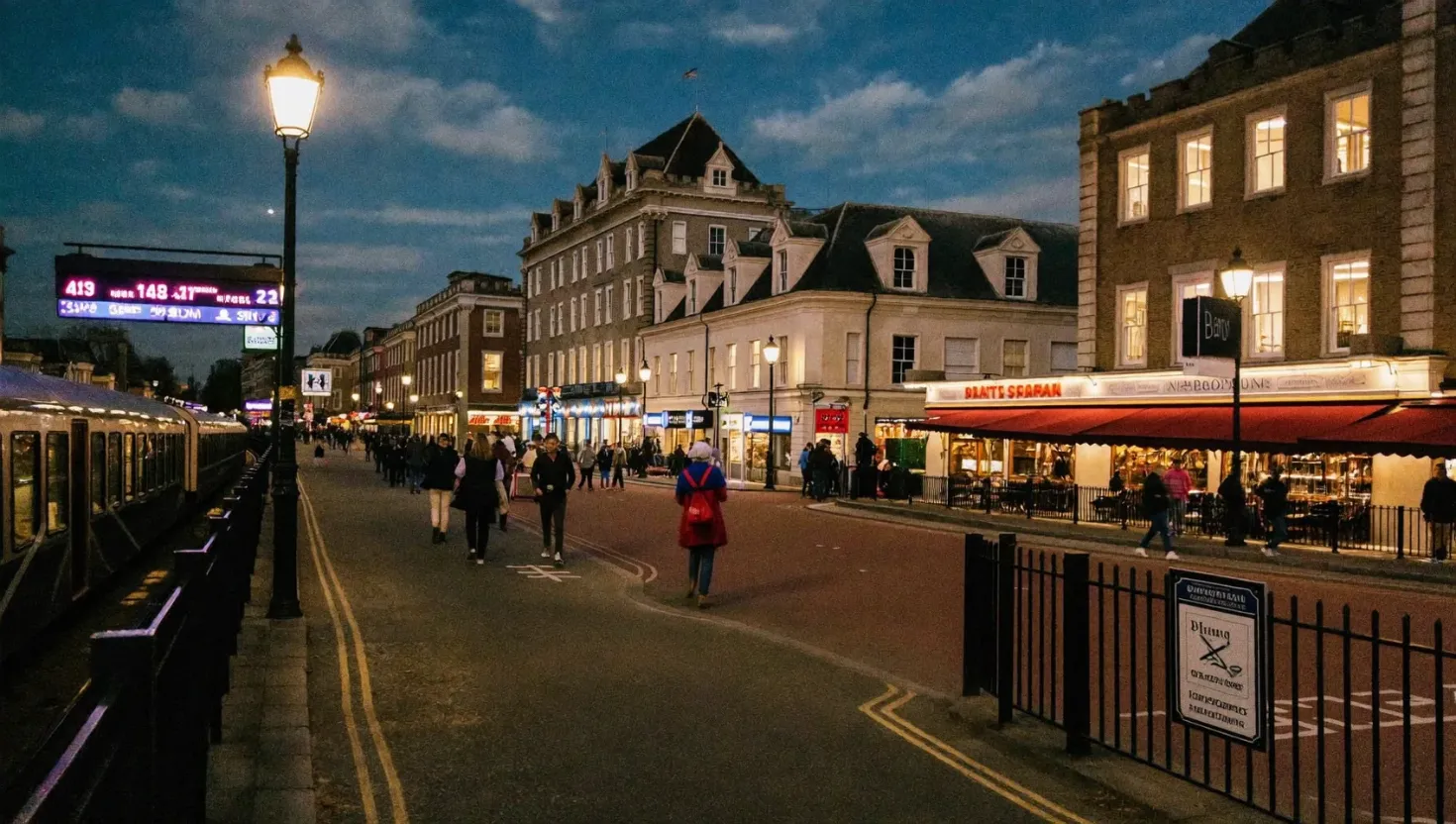
A layered packing list for changeable weather, cities and countryside.
Read the guide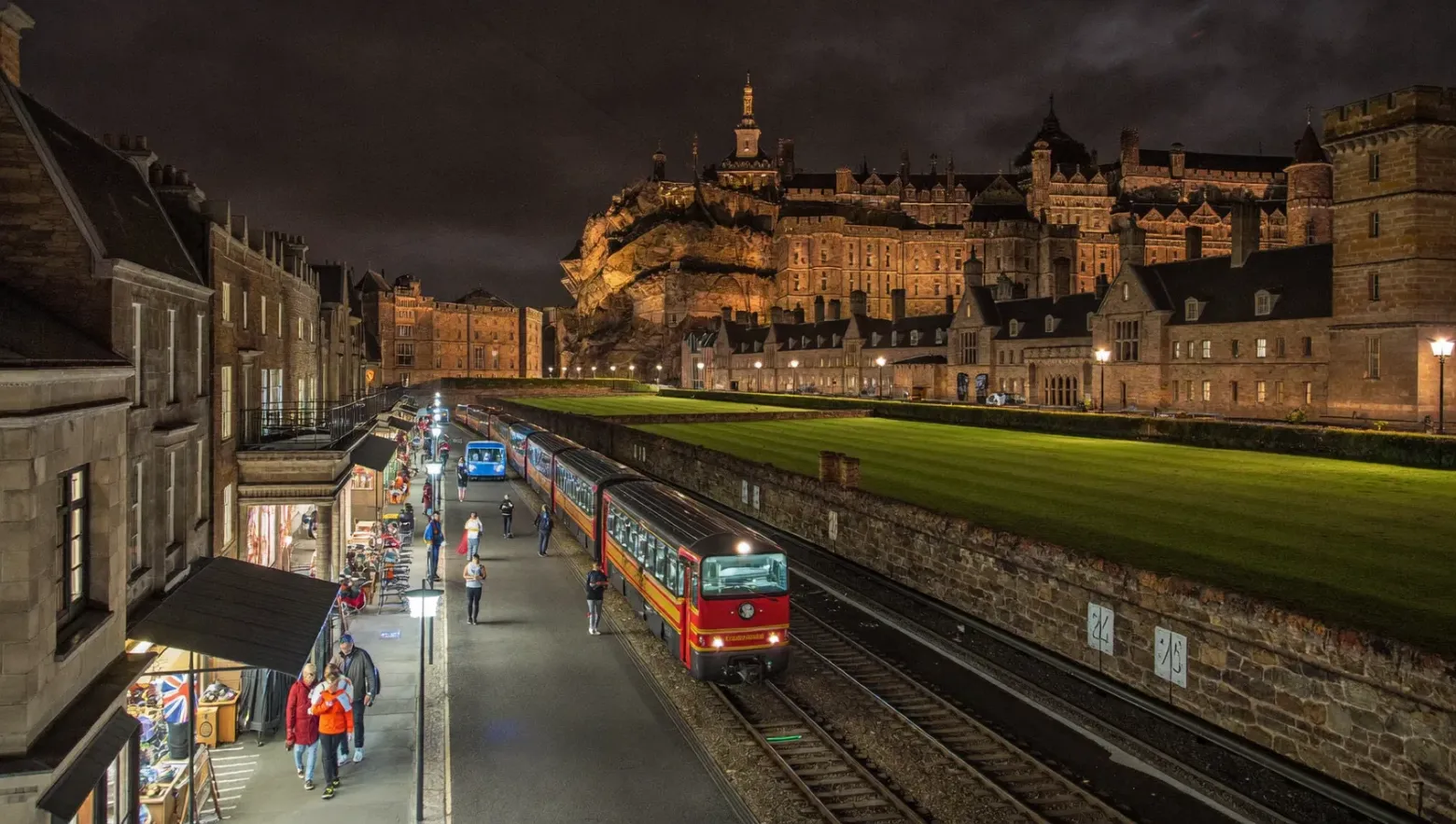
How to choose between Bath, York, Edinburgh, the lakes and the coast.
Read the guideTick items as you go — your progress is saved in this browser.
It depends on your nationality. Use the official GOV.UK “Check if you need a UK visa” tool before booking.
Many visitors who don't need a visa now need an ETA, including many European travellers; Irish citizens are exempt. Apply via GOV.UK or the official app only.
May, June and September often balance daylight, weather and crowds. Summer suits festivals; December suits Christmas markets.
It can be, especially London. Free national museums, advance train tickets, off-peak travel and staying slightly outside centres help.
Yes, between cities and in most towns. A car helps in remote areas such as the Highlands or small Cotswolds villages.
Yes, tap water is generally safe to drink across the UK unless a sign says otherwise.
A small amount is useful for markets or rural spots, but cards and phone payments work almost everywhere.
Check for a service charge first. If none is added, around 10–15% for good table service is common; it's not expected at bars.
Type G, with three rectangular pins, at 230V. Bring an adapter.
About a week allows London plus one or two other places without rushing.
Layers, a waterproof jacket, comfortable shoes, an umbrella, a plug adapter and a power bank.
Yes. There are no border checks; direct trains, coaches and roads link the two.
Britain Travel Notes is an independent online guide for people planning a UK trip. We gather practical information in one place and link to official sources for anything regulated.
We use essential cookies always, and campaign tags to see where subscriptions come from — only if you allow. Cookie Policy